
Making It Their Own: Open Studio with Stephanie Mae
At Ms. Stephanie’s home, a garage without a roof has become a garden.
She has spent years clearing debris and making room for raised beds and flowers. Friends helped her rebuild the fence and deck. The old structure is still standing, but the space has become something else over years of care and imagination.
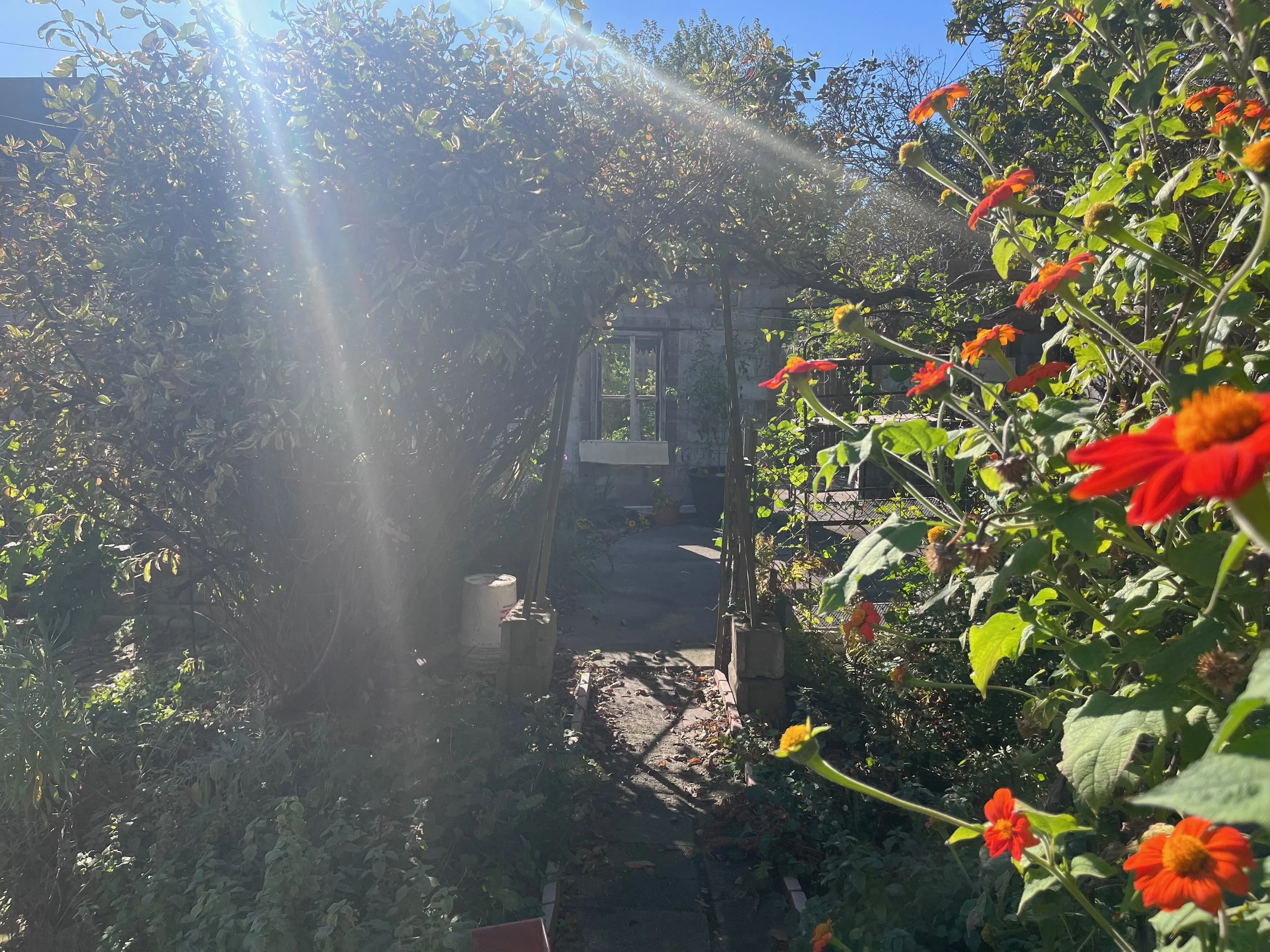
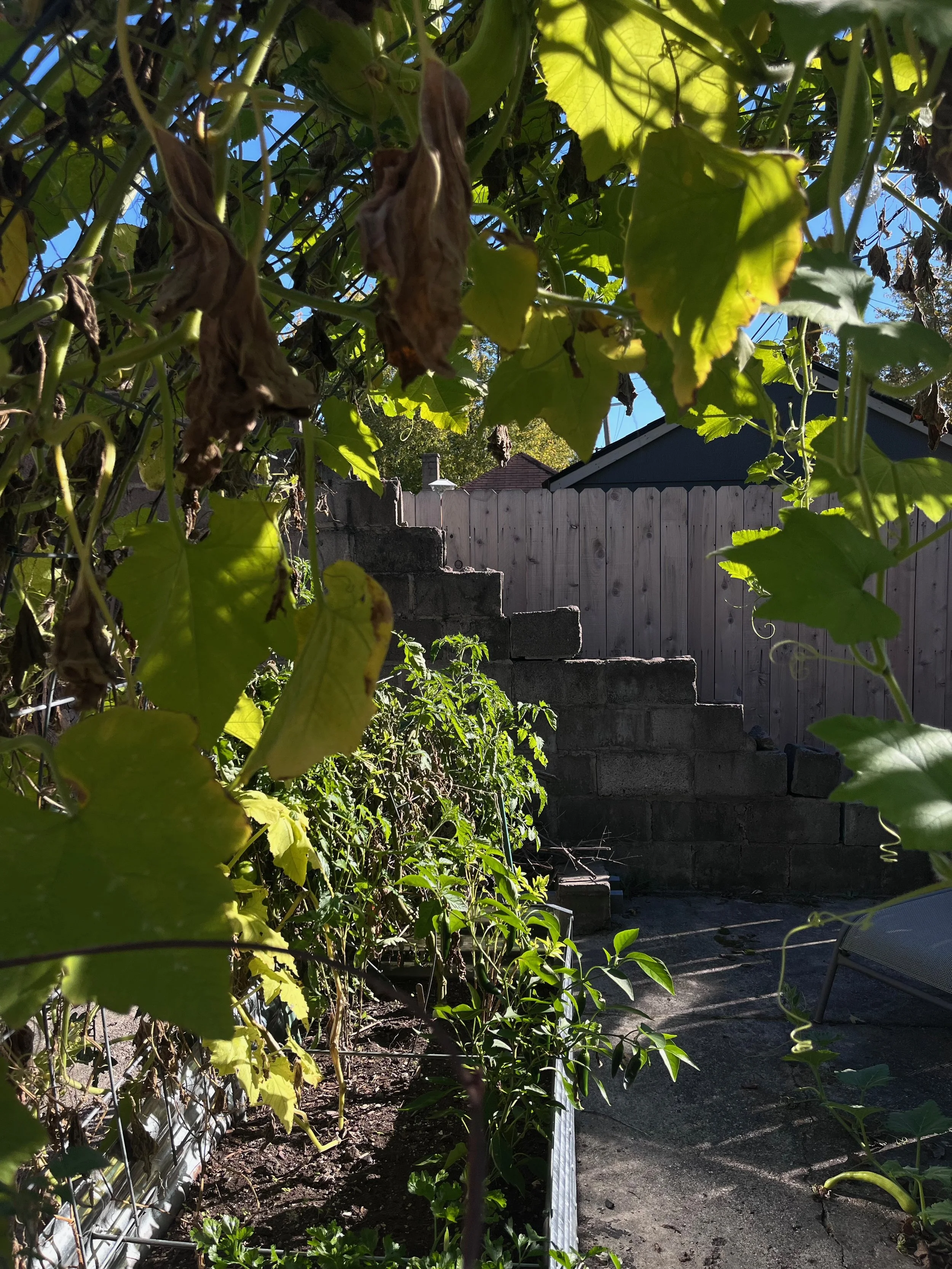
Stephanie brings that same approach to her creative practice, which has moved through classrooms, community spaces, and our shared networks of artists and organizers for more than a decade.
What We Have
Months after the abrupt end to community arts programming where she had taught for years, Stephanie was still processing the loss of regular time with her students. She was not willing to wait for organizational processes to determine when, where, and how they could make art together again.
“What we have is our relationships and our skills, and these things can’t be taken away.”
-Stephanie Mae
She reconnected with young artists through her Art Club at Grace in Action, where longstanding relationships, including one with Inside Southwest Detroit's Nyasia Valdez, eventually brought her to Open Studio on The Alley Project for the month of July.
The Ways Light Behaves
Stephanie arrived with a puppetry curriculum she had developed during a five-week residency with 4th graders at Cesar Chavez Academy (now Aztec Eagle Academy). Through art, students explored the physics of light, experimenting with transparency, silhouette, and the ways light behaves.
She recognized immediately that Open Studio had its own character.
The children already knew the space and one another with comfort and ease. Stephanie was bringing something new into an environment that already belonged to them.
"I felt like I was coming into their space," she recalled.
She wanted to adapt what she'd developed in the classroom to the freedom and familiarity the young artists already experienced at Open Studio.
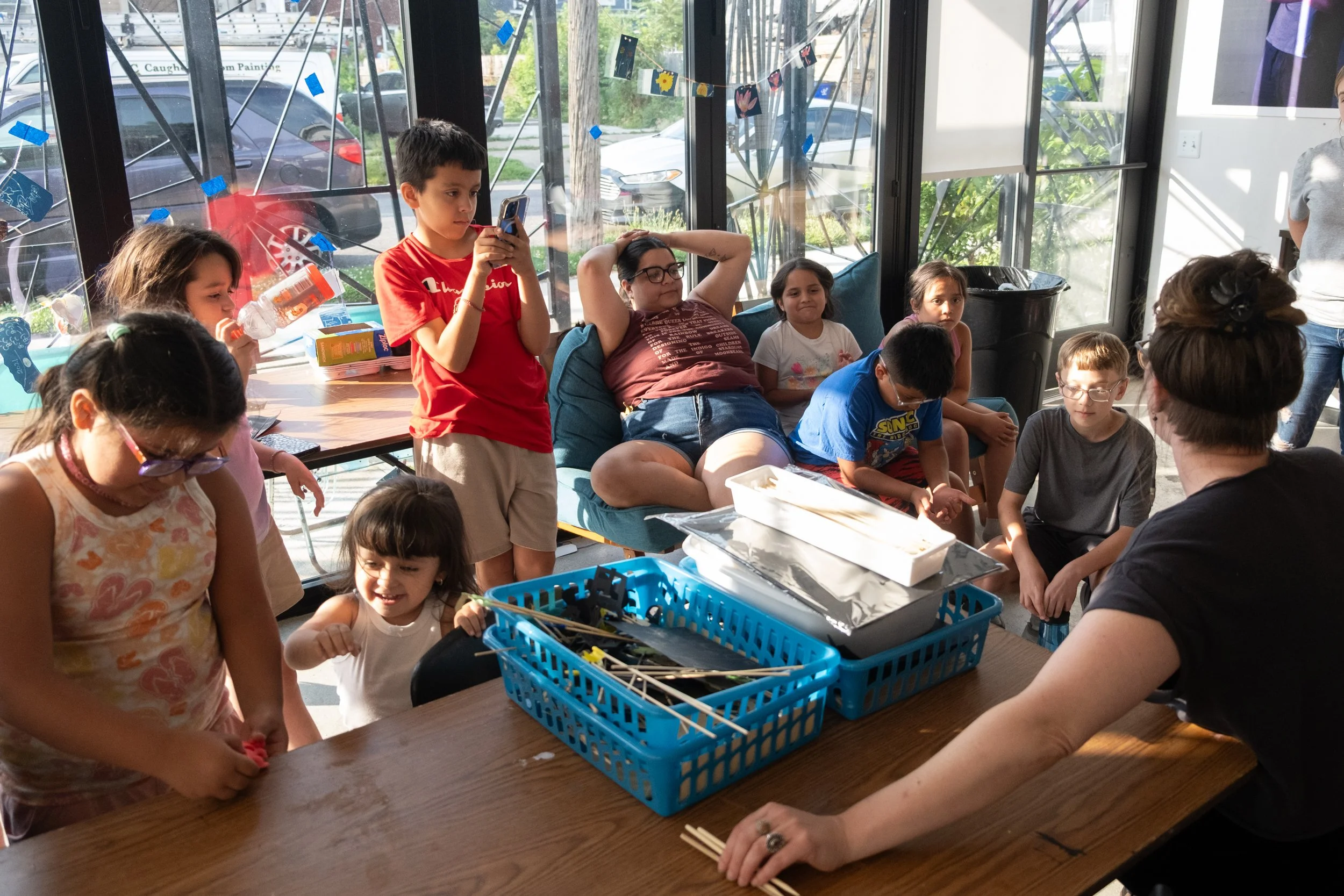
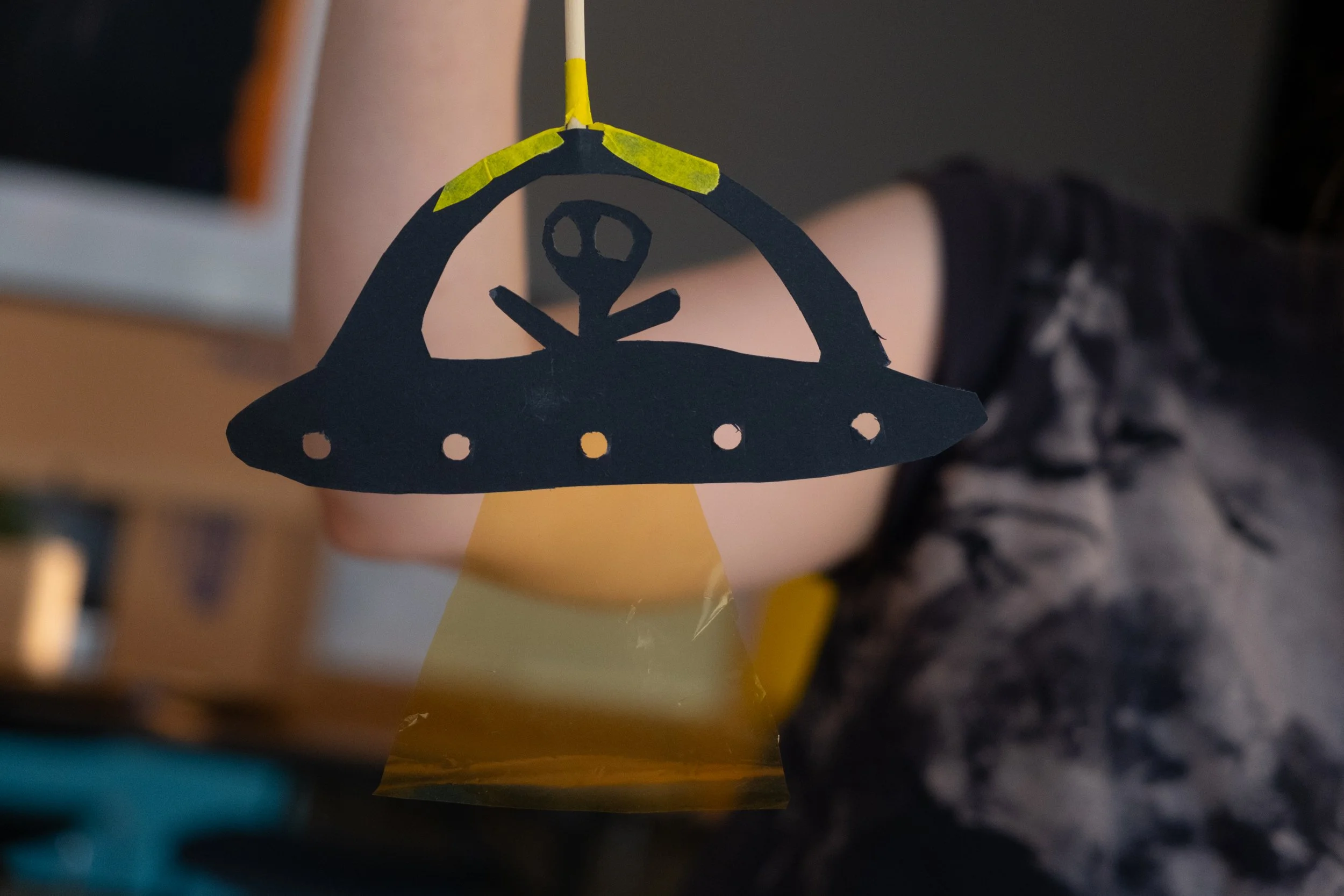
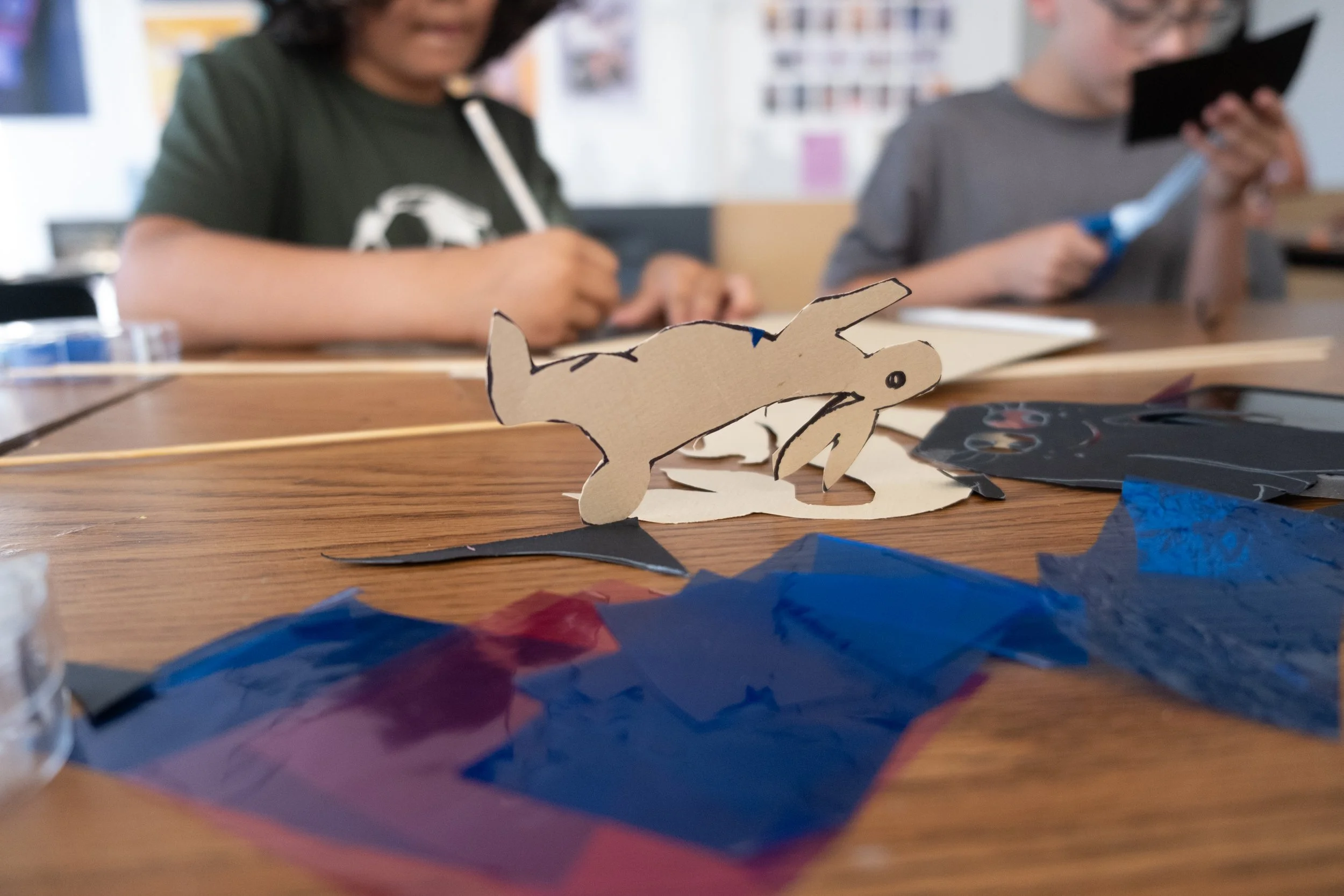
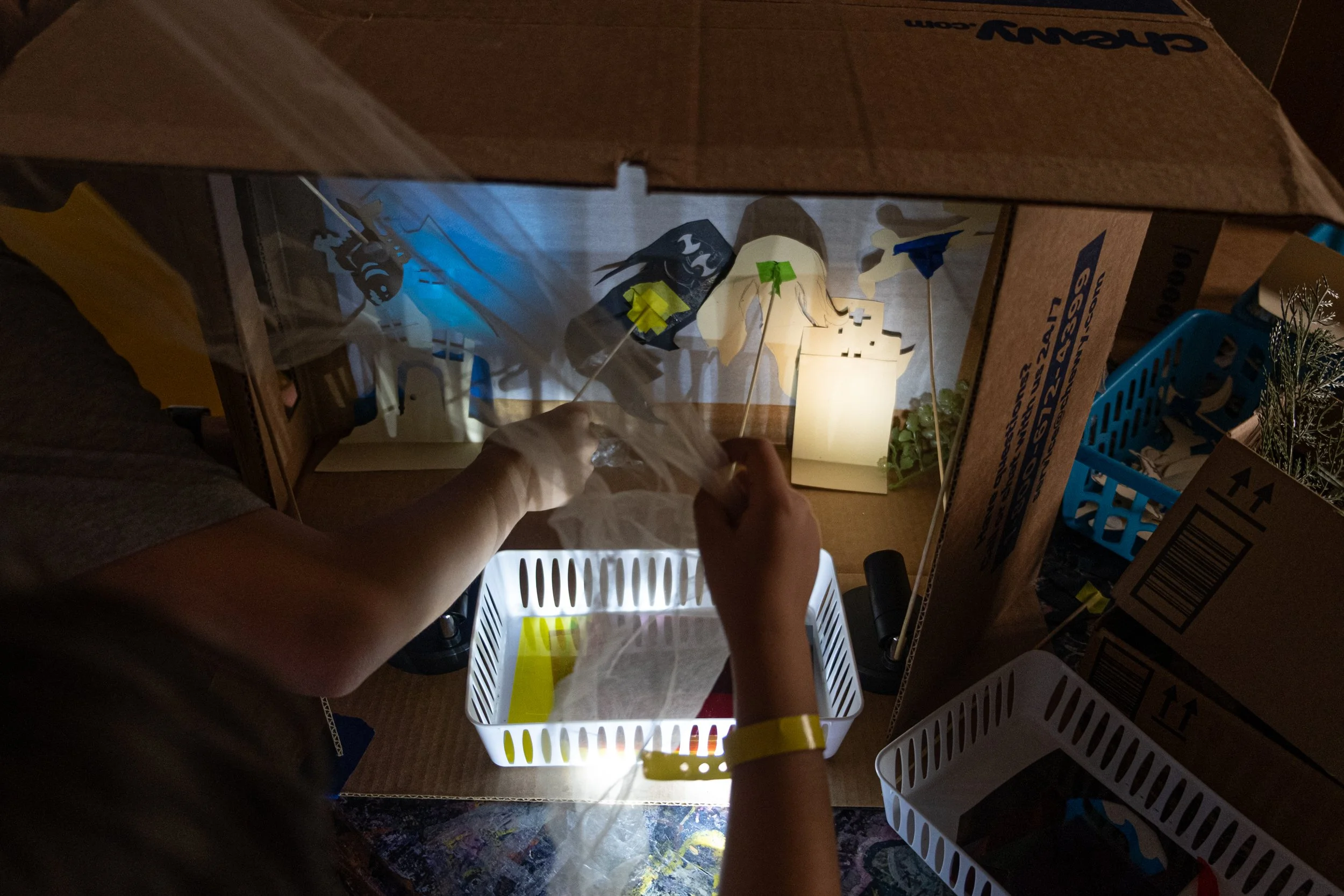
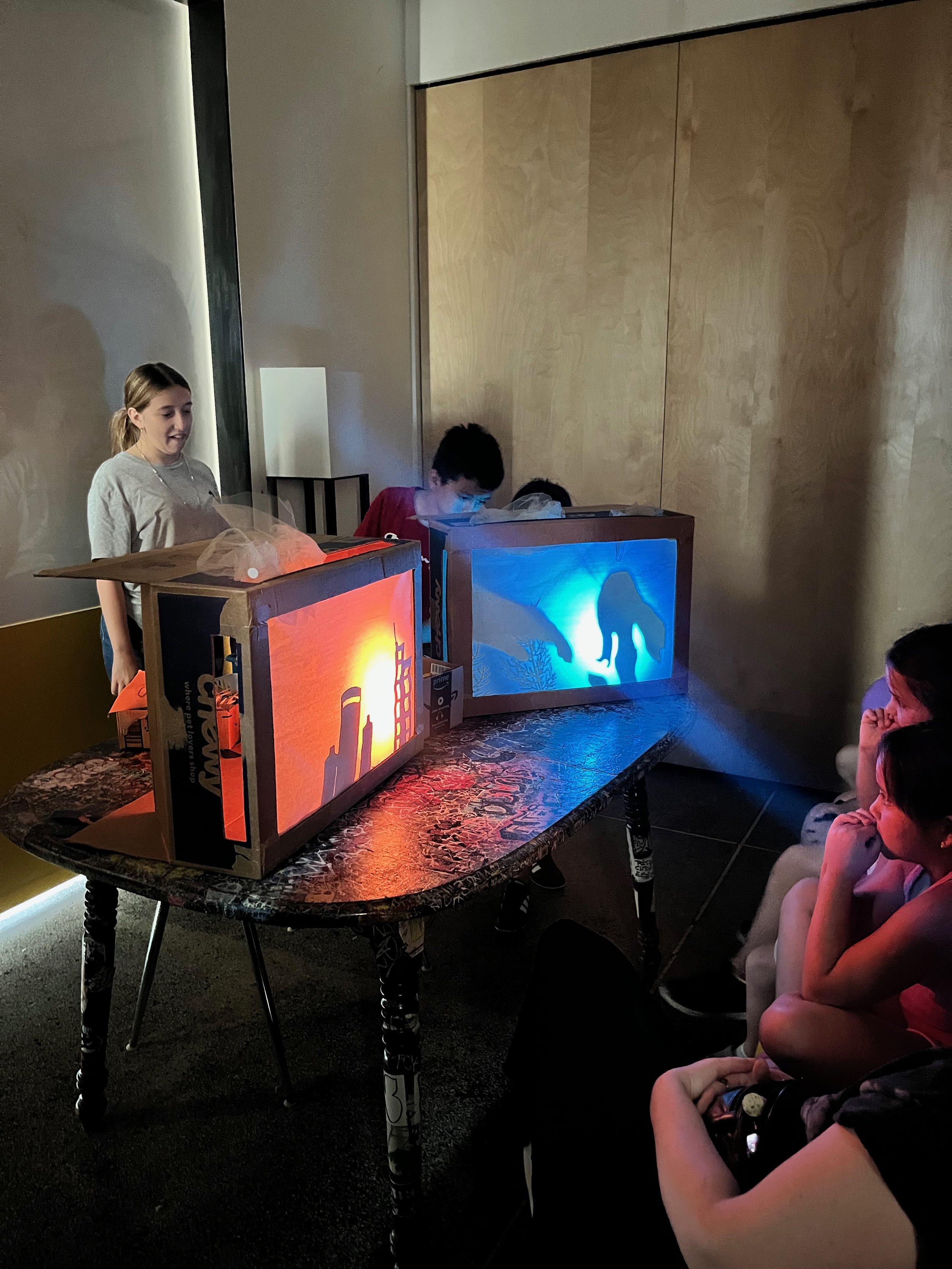
Working with sock puppets and shadow puppetry, the youth developed characters, experimented with silhouettes, and built stories together. There was plenty of conversation and working together. And a quieter part: children whispering to themselves as they worked through a character, or considered a shape, or adjusted a light for presentation.
Discovering How To Translate
Shadow puppetry asks artists to think differently.
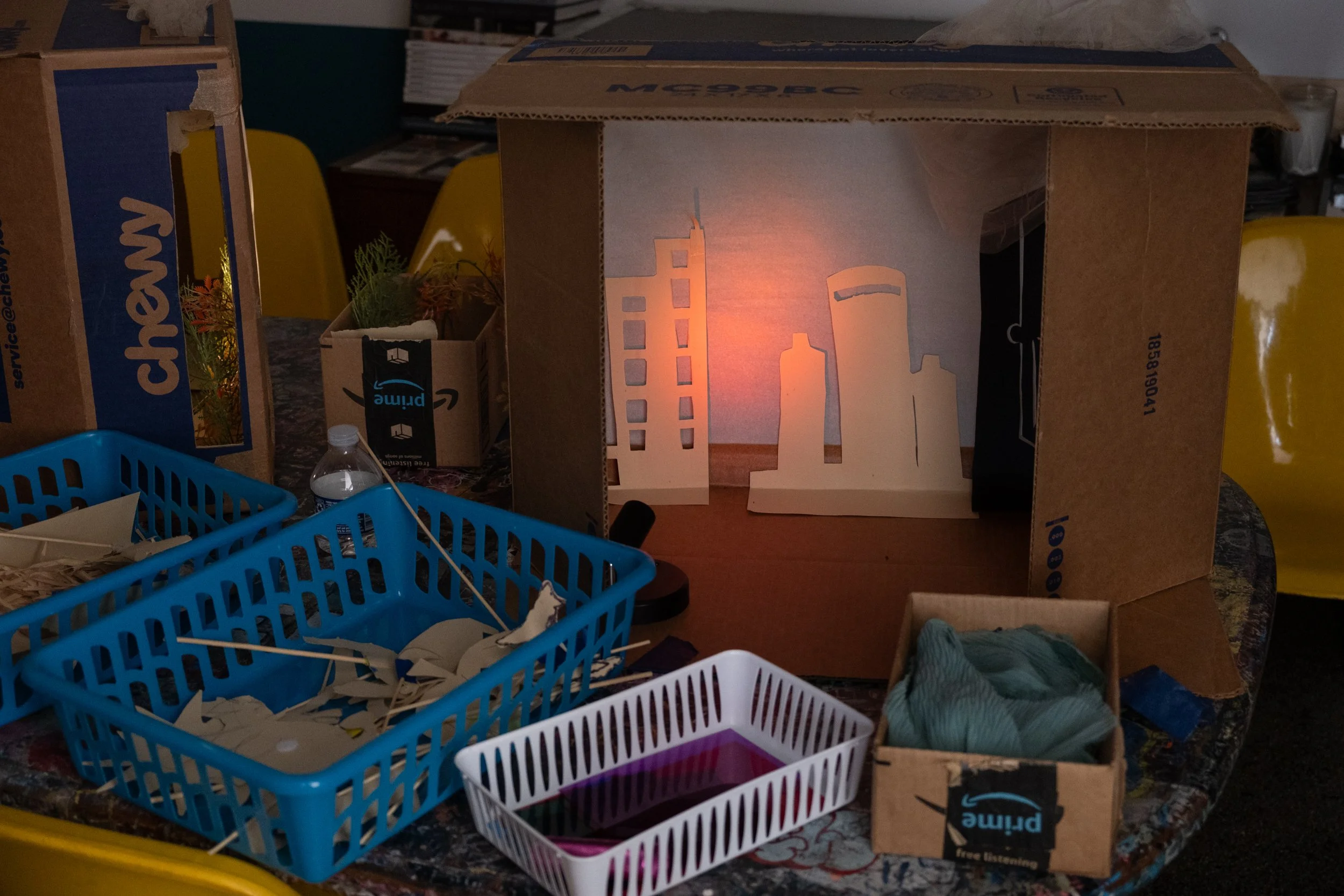
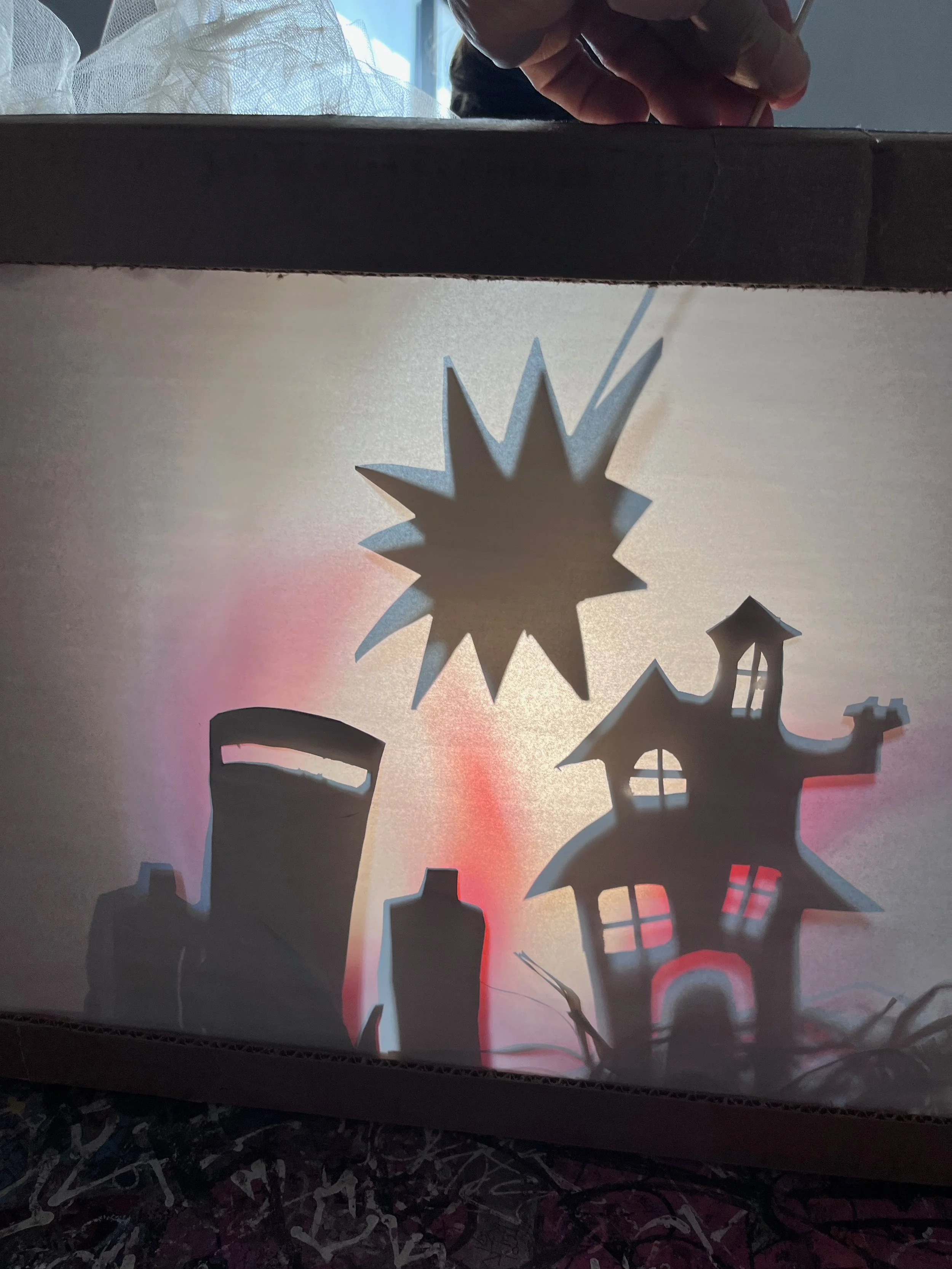
Details that make a drawing can disappear in shadows and silhouette. Now the shape of an edge matters more than the lines inside it.
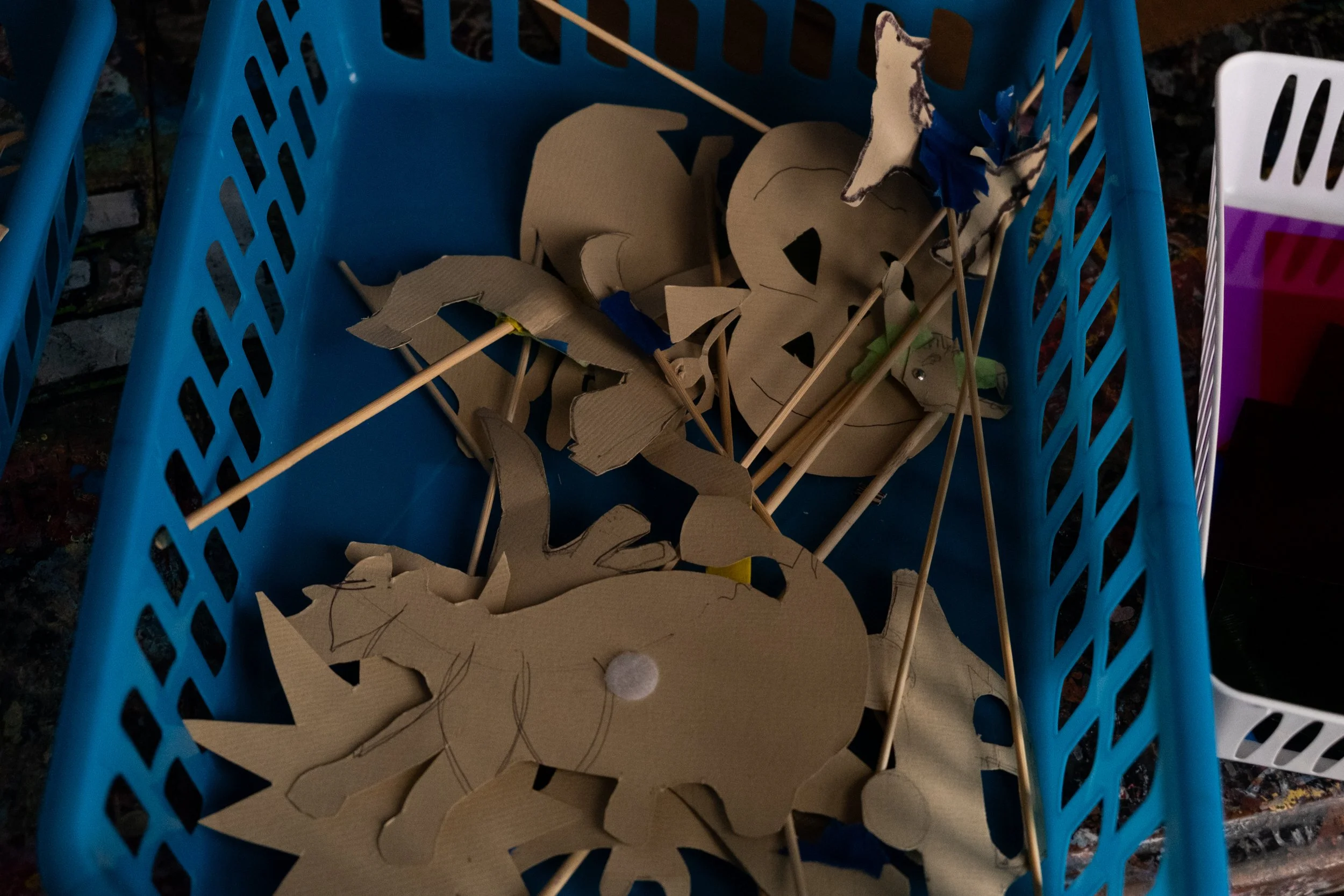
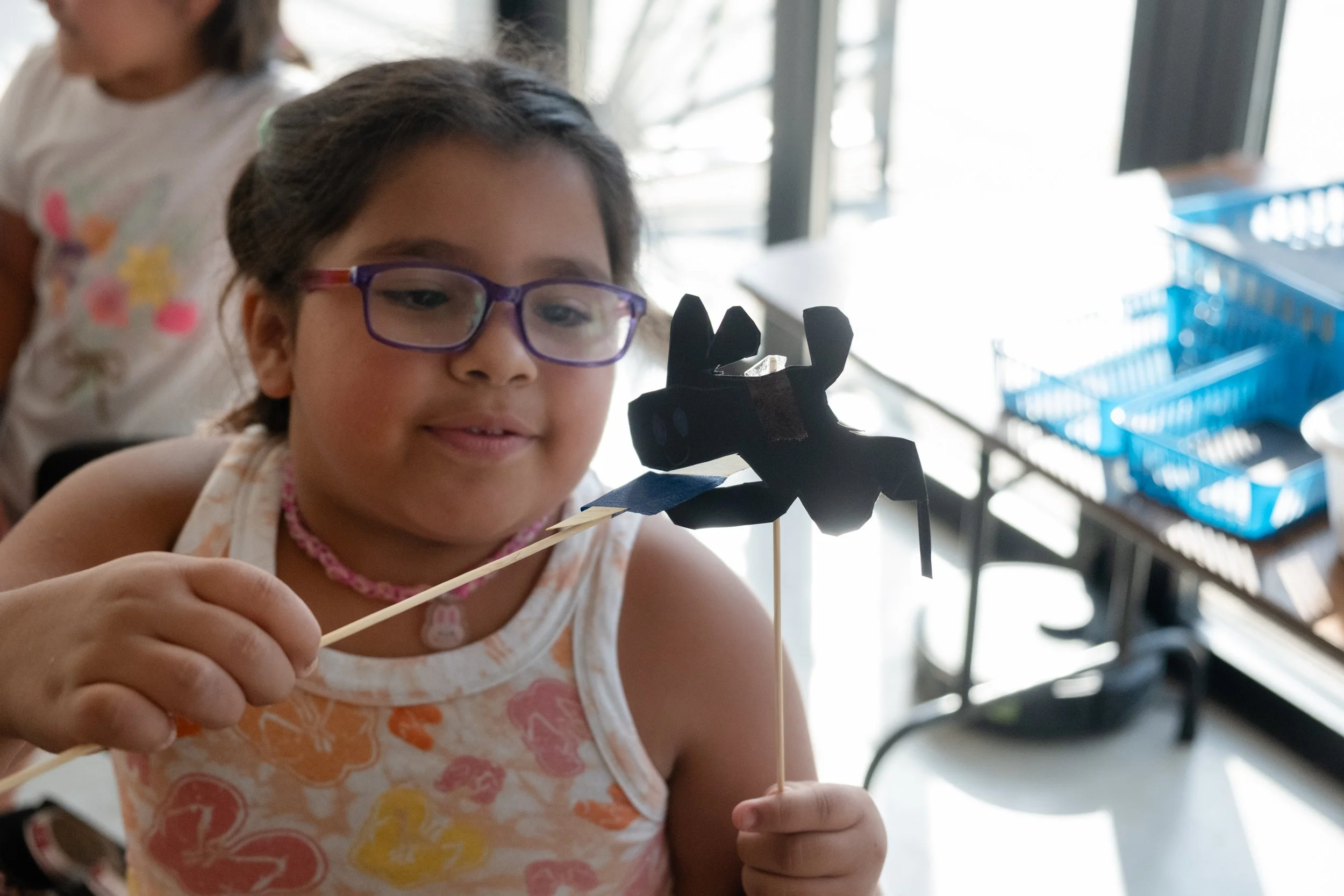
Young artists had to discover how to translate the characters and worlds they knew into an unfamiliar medium. Five Nights at Freddy's became one of those worlds.
It was a creative exchange in both directions. Stephanie shares with them about the medium and how to bring it to life through shadow while they introduce her to the worlds they want to create.
"Because you're the artist, and that's what you chose."
-Stephanie Mae
Beyond The Workshop
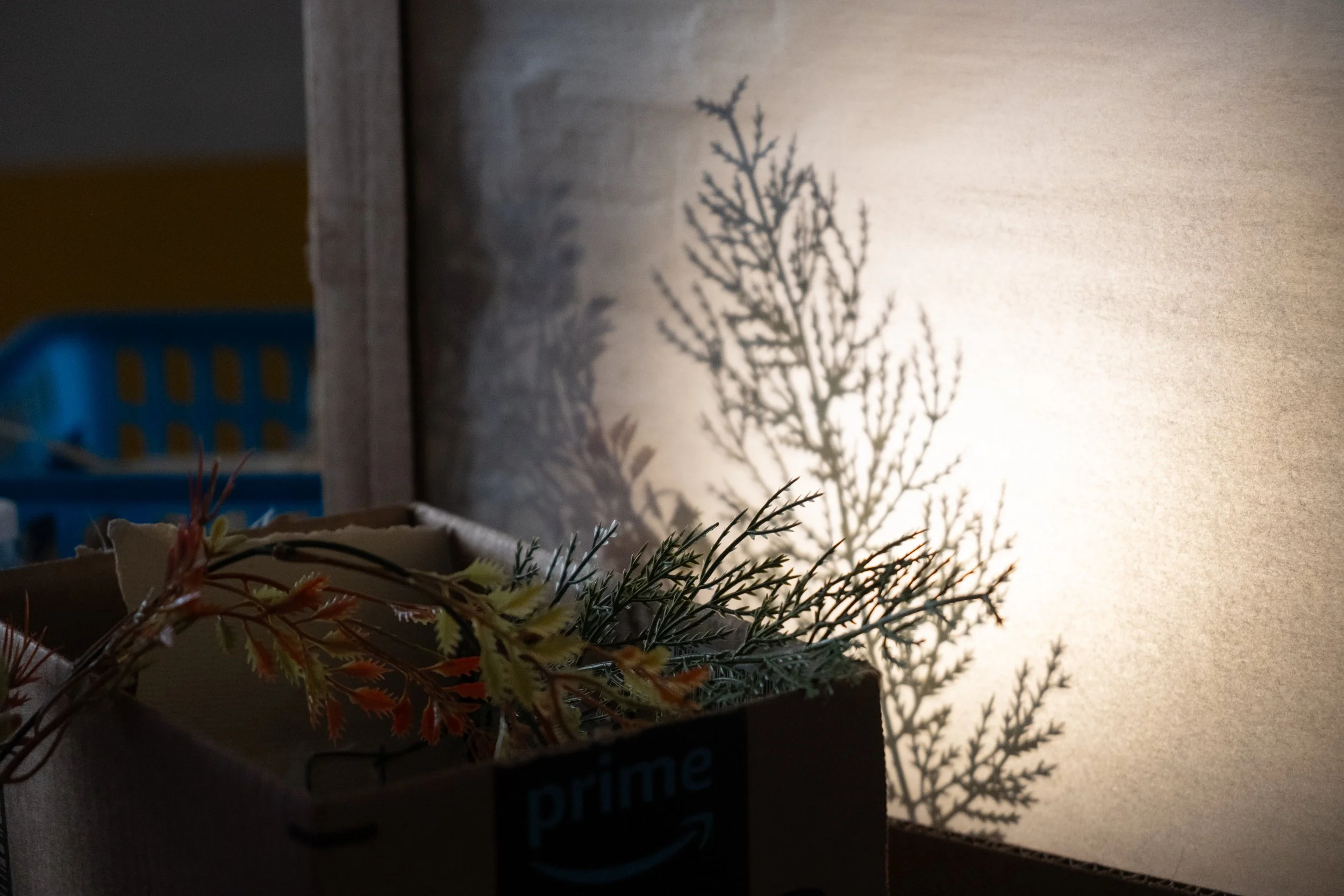
Accessibility is built into her practice. Her shadow puppet stages are made from ordinary cardboard boxes, with parchment paper screens. She leaves the materials recognizable so young artists can see how to continue experimenting with things they already have at home.
For Stephanie, the making is only the beginning.
Puppets become characters that continue telling stories beyond the workshop.
And learning an artistic technique can change how someone encounters the world. Once we understand how a silhouette works, or begin noticing positive and negative space, those ways of seeing follow us out into the world.
"I think that's one of the beautiful gifts of being an artist is the observation and noticing of the world around you because it's always there, but you get to tune in your attention to different things based on your practice."
-Stephanie Mae